

The Birth of an Icon: How the Taj Mahal Palace Hotel Redefined Indian Hospitality in the Early 1900s
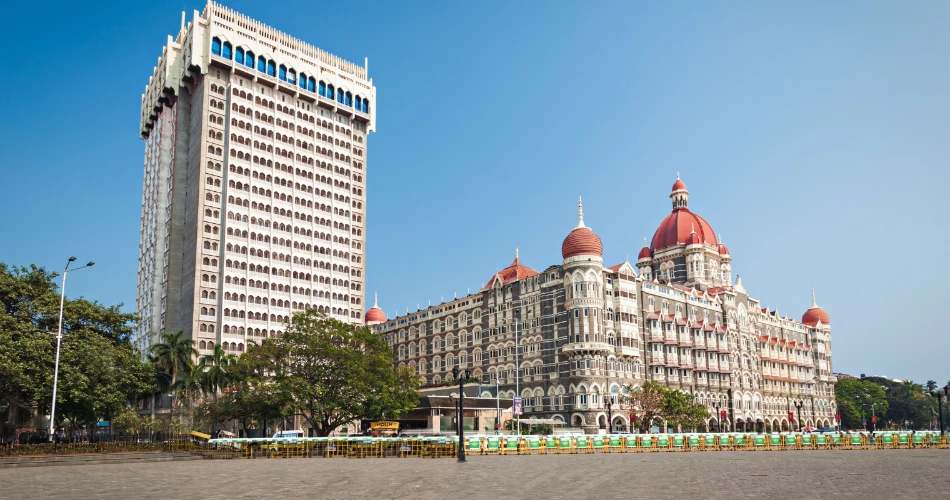
When Jamsetji Tata envisioned the Taj Mahal Palace Hotel in Mumbai, he wasn’t merely constructing a building, he was laying the foundation for India’s modern hospitality. Opened in 1903, the Taj stood tall at Apollo Bunder, overlooking the Arabian Sea and what would later become the Gateway of India.
Built during a time when Indians were denied entry into most colonial establishments, this hotel became a symbol of dignity, innovation, and national pride. The design blended Saracenic Revival architecture with European influences, symbolizing India’s ability to merge tradition and modernity.
Quick facts
| Check-in / check-out | from 15:00 / until 12:00 |
|---|---|
| On site | parking, free wifi, pet friendly, non-smoking rooms, family rooms, restaurant, bar |
| Address | 433 Chestnut Street, Philadelphia |
| Class | 4-star |
| Guest score | 8.4 from 659 reviews |
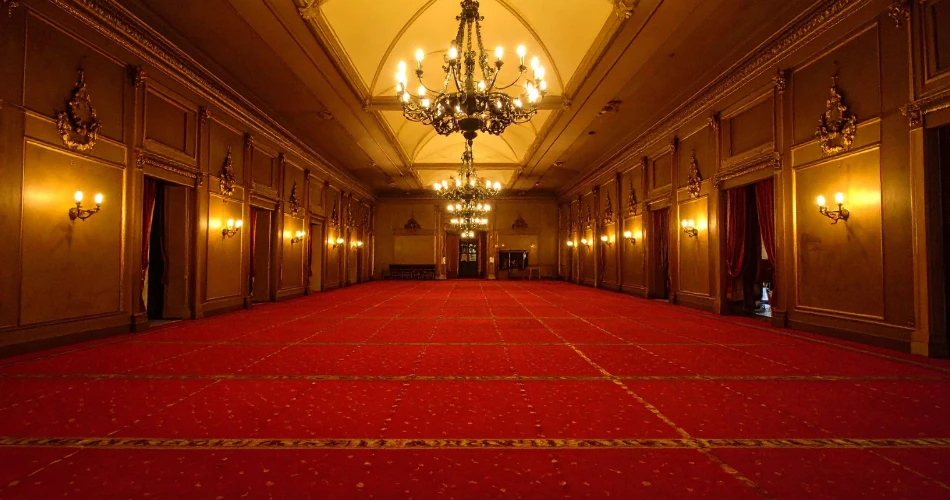
Every element reflected craftsmanship ahead of its time, from its grand staircase to its imported Belgian chandeliers and onyx columns. The Taj was the first hotel in India to have electricity, elevators, and American fans, setting a new benchmark for luxury.
This era marked the beginning of a legend, not just a hotel, but a statement of resilience, creativity, and pride for an independent India to come.
Architectural Grandeur and Design Marvels That Continue to Dazzle Generations
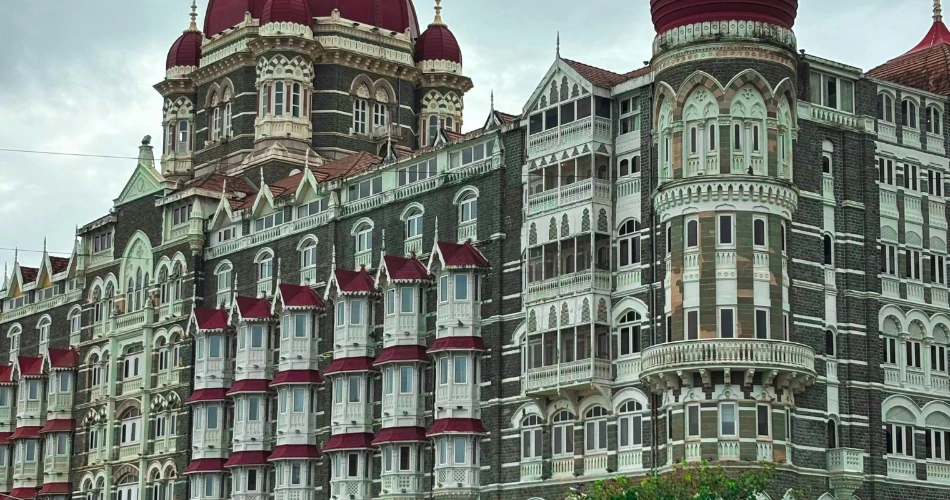
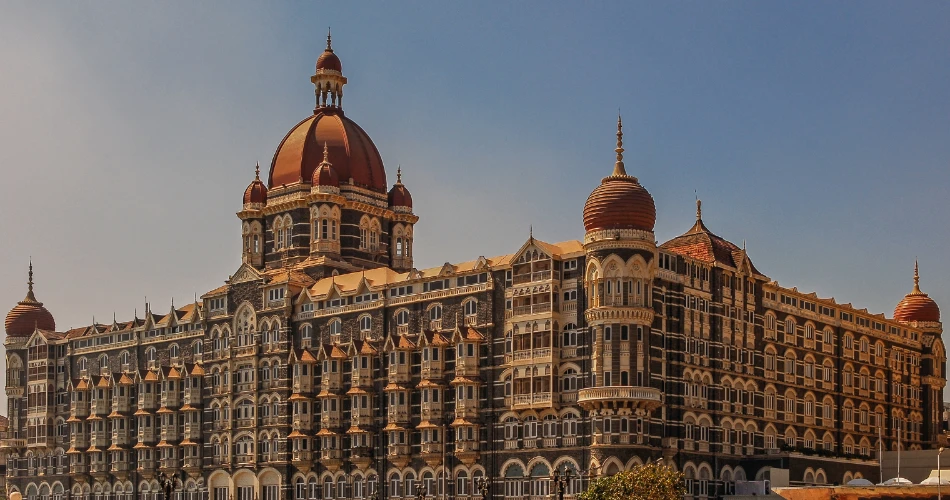
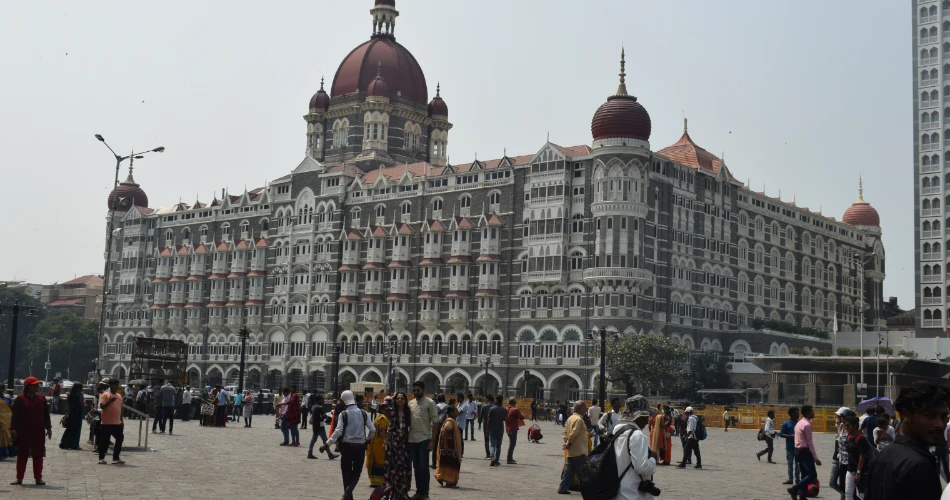
The Taj Mahal Palace Hotel is a visual masterpiece, a harmonious fusion of Islamic, Victorian Gothic, and Edwardian styles. Designed by architects Sitaram Khanderao Vaidya and D. N. Mirza, the building features a striking central dome, minarets, arched windows, and hand-carved balconies that capture the essence of Indian craftsmanship.
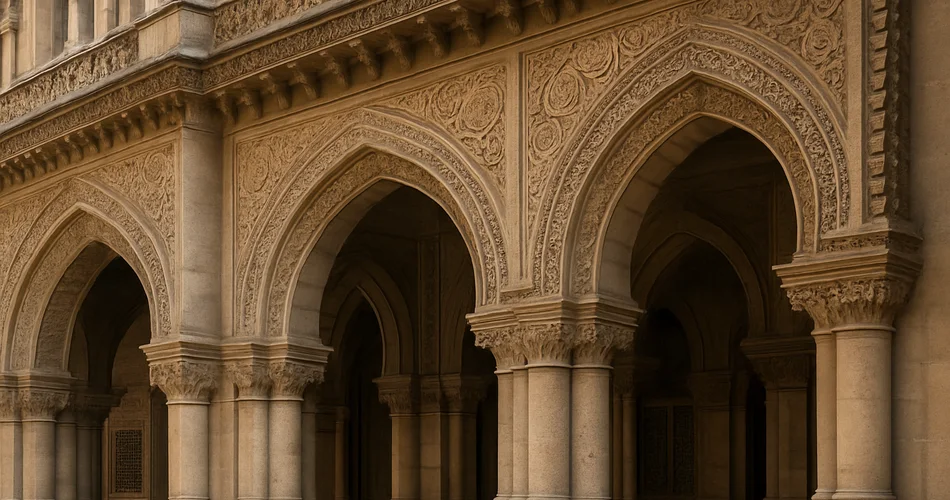
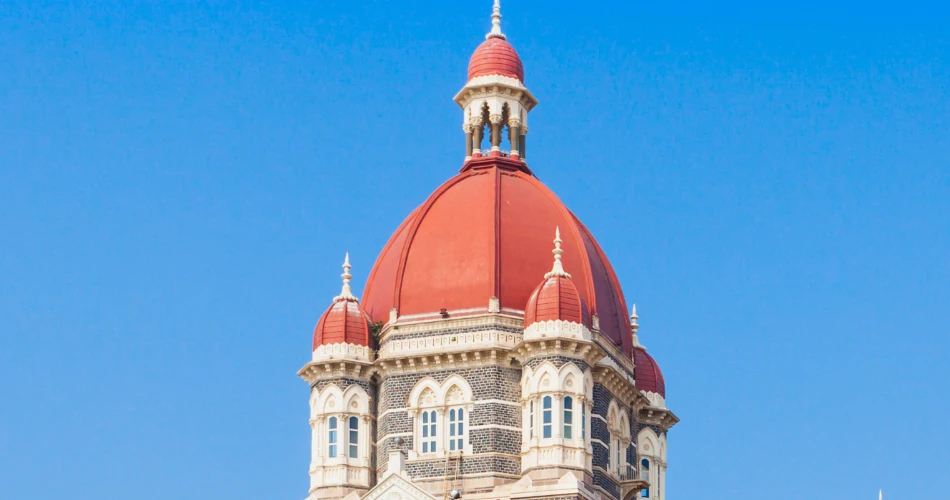
The grand central dome, inspired by the Renaissance era, is one of Mumbai’s most recognizable silhouettes. Inside, the opulent interiors, from Moroccan tilework to Venetian flooring, reflect a global touch with an Indian soul. Each suite tells a story, decorated with priceless artifacts and antiques collected from across the world.
The hotel’s architecture continues to be a subject of admiration for art historians, photographers, and travelers. It isn’t just a building; it’s a living museum that embodies over a century of design evolution.
The Golden Age: How the Taj Became the Epicenter of Mumbai’s Elite and Global Glamour
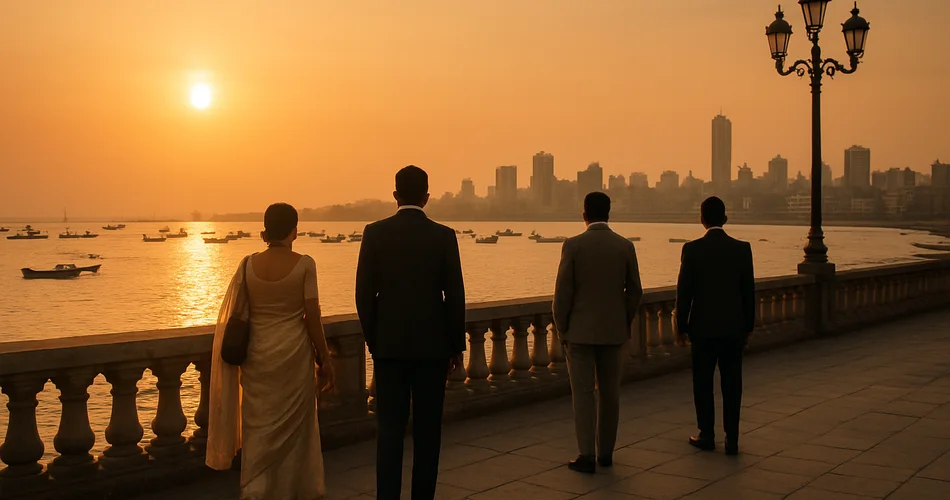
By the 1920s and 1930s, the Taj Mahal Palace Hotel had become the social heart of Bombay (now Mumbai). It hosted royal families, diplomats, and world leaders who came to experience the charm of India’s first luxury hotel. Lavish banquets, jazz evenings, and royal gatherings made the Taj synonymous with grandeur and elegance.
Its grand ballrooms witnessed historic celebrations, from state dinners to art exhibitions, reflecting India’s growing cosmopolitan culture. During the independence movement, the hotel was also a silent observer of secret political discussions held within its walls.
The Taj became not only a place to stay but a cultural and social landmark, where India’s elite mingled with global icons.
Trials, Triumphs, and Transformation: The Taj’s Resilience Through Wars and Challenges
The history of the Taj Mahal Palace Hotel is not without trials. During World War I, the hotel transformed into a military hospital, serving British soldiers, showing its commitment beyond luxury. The decades that followed brought economic challenges, competition, and global shifts in tourism.
Yet, the Taj consistently reinvented itself. Renovations modernized its facilities while preserving its old-world charm. Despite global crises, the hotel remained steadfast as a sign of resilience in Mumbai’s skyline.
Its ability to adapt, from colonial Bombay to post-independence India, showcased the Taj’s enduring spirit. Even when faced with tragedy in modern times, it emerged stronger, symbolizing the strength and hospitality India is known for.
The 2008 Mumbai Attacks: A Dark Chapter That Redefined Strength and Humanity
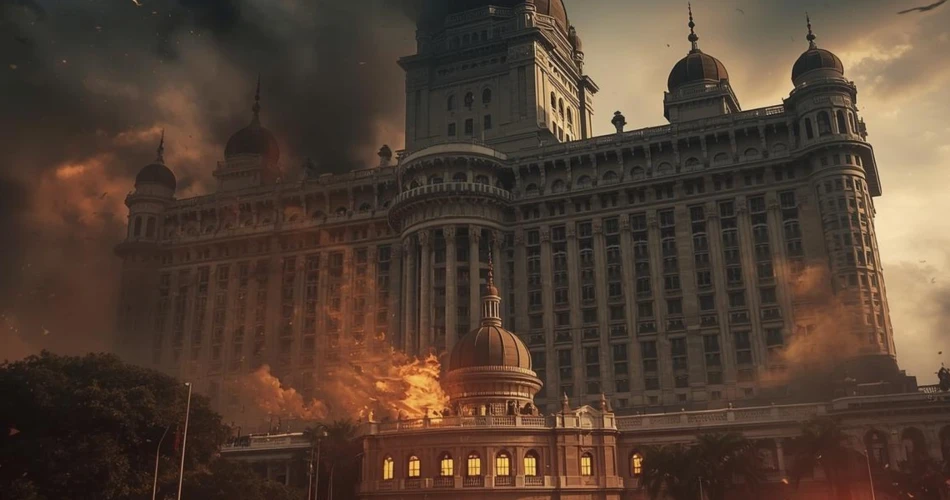
One of the most defining moments in the Taj’s history came on November 26, 2008, when it became one of the sites targeted in the Mumbai terrorist attacks. Flames engulfed its famous dome, but amidst chaos, the staff’s bravery shone brighter than ever.
Employees risked their lives to protect guests and colleagues, guiding them through smoke-filled corridors and ensuring their safety. Many lost their lives, but their courage became a global symbol of Indian resilience, unity, and compassion.
When the hotel reopened after restoration, it wasn’t just a building reborn, it was a tribute to those who sacrificed everything. The Taj’s comeback represented hope and the indomitable human spirit, reaffirming its place as a living monument of courage.
Rebirth and Reinvention: The Modern Taj Mahal Palace as a Global Symbol of Luxury
After the 2008 tragedy, the Taj underwent extensive restoration, blending heritage preservation with contemporary luxury. Each element, from handcrafted carpets to art installations, was carefully restored to honor its past.
Today, the hotel operates as part of the Taj Hotels, a Tata Group enterprise, maintaining its reputation for world-class service and hospitality. It has hosted dignitaries like Barack Obama, the Dalai Lama, and the British Royal Family, solidifying its place among the world’s most elite hotels.
The modern Taj Mahal Palace offers an experience that fuses tradition and innovation, from fine dining at Wasabi by Morimoto to ocean-view suites. It stands today as a heritage monument of living luxury, continuing to inspire travelers and storytellers alike.
Cultural Significance: How the Taj Continues to Shape Mumbai’s Identity and Global Heritage
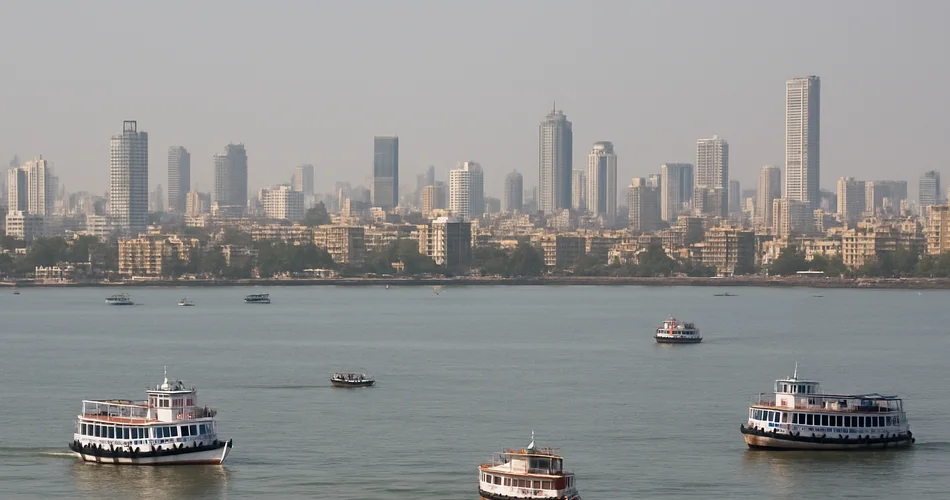
Beyond hospitality, the Taj Mahal Palace Hotel has become a cultural landmark that defines Mumbai’s skyline and spirit. Its proximity to the Gateway of India makes it one of the most photographed spots in the country.
The hotel also plays a vital role in preserving India’s architectural and artistic heritage, supporting local artisans and sustainable tourism initiatives. The Taj’s art collection, featuring Indian masters like M.F. Husain and Anjolie Ela Menon, makes it a living gallery of Indian creativity.
For many, visiting the Taj isn’t just about luxury, it’s about experiencing history, culture, and emotion. It remains a symbol of how India welcomes the world with grace and grandeur.
The Enduring Legacy: Why the Taj Mahal Palace Will Forever Be More Than Just a Hotel
Over a century later, the Taj Mahal Palace Hotel continues to embody everything that defines India, resilience, elegance, diversity, and pride. Its walls have witnessed history, its halls have hosted legends, and its legacy continues to inspire generations of travelers.
For the Tata Group and India, the Taj is not merely a property, it is a legacy of love, service, and vision. Every guest who walks through its grand lobby becomes part of that story, a story that began with a dream in 1903 and continues to flourish in the heart of modern Mumbai.
In a world where luxury is often fleeting, the Taj stands timeless, a monument of hospitality that bridges India’s past, present, and future.